
Introduction to Konjac Spaghetti: Origins and Benefits
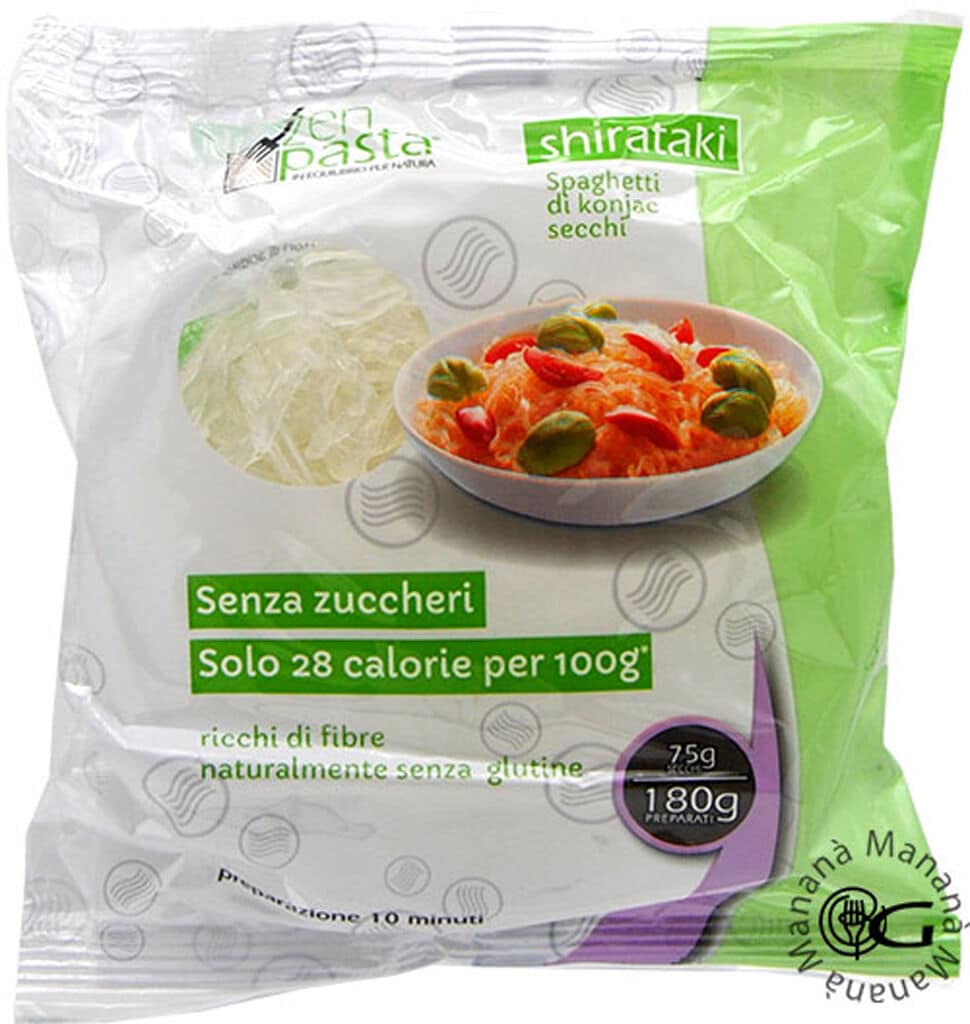
Zen Pasta Konjac, also known as shirataki, is highly prized in Asia for its health benefits that date back centuries. Originally grown in countries such as Japan, China, and Indonesia, Zen Pasta Konjac is made from the root of the konjac plant, known for its high content of glucomannan. This particular soluble fiber is celebrated for its many health benefits, including its ability to support weight loss, improve skin health, and regulate blood glucose levels.
Glucomannan has been shown to significantly reduce total cholesterol, LDL cholesterol, and triglycerides, making konjac noodles a heart-healthy food option. Additionally, due to its ability to absorb water, glucomannan helps promote satiety and may reduce overall calorie intake, which is especially helpful for those following low-calorie diets or trying to manage weight. Not only that, glucomannan also improves bowel regularity and contributes to overall digestive health.
For those with dietary restrictions, such as those imposed by conditions like diabetes, Zen Pasta Konjac offers a safe food alternative that can help manage blood sugar levels due to its low digestibility. Additionally, being completely gluten-free and extremely low in carbohydrates, it fits well with diets like keto, paleo, and others that limit grain intake. These unique properties make konjac noodles not only a healthy food choice but also a versatile one, suitable for various diets and culinary preferences.
Konjac Spaghetti on the Keto Diet: Why Choose Them
Zen Pasta Konjac spaghetti is particularly popular on the keto diet for its exceptional nutritional properties. This type of pasta stands out for being virtually calorie- and carbohydrate-free, a key aspect for those following a ketogenic diet and aiming to maintain ketosis. Glucomannan, the predominant fiber in konjac, is particularly known for its satiating properties. As a soluble fiber, glucomannan has the ability to significantly absorb water, swelling in the stomach, which helps prolong the feeling of satiety without adding additional calories.
This fiber has also been shown to improve the management of blood glucose levels, supporting glycemic control, an essential benefit for anyone managing diabetes or simply aiming for metabolic stability. Additionally, glucomannan helps reduce total and LDL cholesterol, thus promoting cardiovascular health.
Not only are konjac noodles nutritionally functional, they also offer a great gastronomic alternative. For those on a keto diet, they replicate the satisfaction of eating a traditional pasta dish but with the immense advantage of adapting perfectly to the needs of a low-carb diet. Thanks to their versatility, they can be prepared in a variety of ways, from cold dishes to hot sauces, making them an ideal option not only for their functionality but also for their culinary pleasure. These aspects make konjac noodles a perfect substitute for those who want to combine the pleasure of taste with the care of their body as part of a keto diet.
Zen Konjac Pasta Preparation Guide
Preparing Zen Pasta Konjac spaghetti is easy and allows you to maximize their nutritional benefits. Start by rinsing the spaghetti under cold running water to eliminate any characteristic odor. This step is crucial to ensure their flavor is neutral and ready to absorb the seasonings you add later.
Once rinsed, bring a pot of water to the boil and immerse the spaghetti. Boil them for about 2-3 minutes, no more. This cooking time is enough to soften them without becoming too soft, maintaining a pleasant consistency that is close to that of traditional wheat pasta.
When it comes to seasoning konjac noodles, their ability to absorb flavors works in your favor. Choose rich, flavorful sauces or light, herb- and spice-based dressings, depending on your preferences and dietary needs. Konjac noodles are especially versatile and pair well with both hot sauces and cold dressings.
Finally, serve them immediately after cooking to take advantage of their freshness and ensure that the final dish is tasty and inviting. A well-prepared dish of Zen Pasta Konjac is not only delicious, but also nutritious, offering a great alternative for those looking for low-calorie and low-carb options.
Creative Recipes with Zen Pasta Konjac
Zen Pasta Konjac noodles lend themselves to numerous culinary interpretations thanks to their neutral flavor and versatile texture. An intriguing option is to prepare an Asian salad using the noodles as a base: julienne colorful bell peppers and carrots, and add thinly sliced green onions. Dress with a dressing made from soy sauce, fresh lime juice, sesame oil, and a touch of grated garlic for a bold, fresh flavor. This dish is not only visually pleasing, but also nutritious and light.
For a more substantial dinner, konjac spaghetti can be the base for a tasty mushroom ragù. Sauté the mushrooms in a pan with garlic, onion and a drizzle of extra virgin olive oil; add a handful of aromatic herbs such as thyme and rosemary to intensify the flavors. Once the mushrooms are golden and fragrant, incorporate them into the well-drained konjac spaghetti and finish the dish with a generous sprinkling of Parmigiano Reggiano. This recipe satisfies the desire for a warm and enveloping dish, perfect for the coldest evenings.
These proposals demonstrate how konjac spaghetti can easily adapt to different culinary styles, offering solutions for both cold and hot dishes, always maintaining lightness and nourishment.
Nutritional Comparison: Konjac Spaghetti vs. Traditional Pasta
Zen Pasta Konjac spaghetti is a remarkably different alternative to traditional pasta in several nutritional ways. First, it's extremely low in calories, almost zero, making it particularly suitable for those on a diet or trying to reduce their daily energy intake. In contrast, traditional pasta is a significant source of carbohydrates and, while it provides energy, can contribute to weight gain if consumed in excess.
Additionally, konjac noodles are free of digestible carbohydrates, offering only soluble fiber, mainly glucomannan. This fiber has the ability to absorb water and expand in the stomach, which helps prolong the feeling of satiety and reduce the absorption of fats and sugars. This property can be particularly beneficial for weight control and blood sugar regulation, also helping in the management of cholesterol.
Unlike traditional pasta, which can be heavy and less suitable for specific diets like low-carb, konjac noodles are easily adaptable to a variety of diets, including keto, paleo, and vegan, thanks to their neutral composition and complete absence of common allergens like gluten, soy, or wheat. This versatility makes them an excellent option for anyone looking to maintain a varied and balanced diet, but with specific nutritional needs.